
Diabetes and Hypertension: A Dangerous Duo
Diabetes and hypertension are two chronic conditions that often coexist, creating a dangerous synergy that significantly increases the risk of cardiovascular diseases, kidney failure, and other complications. Together, they form a metabolic storm that demands proactive management to safeguard long-term health.
The Connection Between Diabetes and Hypertension
Hypertension, or high blood pressure, is common among people with diabetes. Studies suggest that up to 60–80% of individuals with diabetes also have hypertension. But why do these conditions often go hand in hand?
Shared Mechanisms and Risk Factors:
- Insulin Resistance:
- A hallmark of type 2 diabetes, insulin resistance contributes to vascular stiffness and elevated blood pressure.
- Obesity:
- Excess body weight increases the risk of both diabetes and hypertension by promoting inflammation and hormonal imbalances.
- Renal Impairment:
- Diabetes and hypertension can independently damage the kidneys, further exacerbating each other.
- Chronic Inflammation:
- Both conditions are associated with low-grade systemic inflammation, leading to vascular dysfunction.
- Lifestyle Factors:
- Sedentary habits, poor diet, and stress are common contributors to both diabetes and hypertension.
Why the Combination is Dangerous
When diabetes and hypertension coexist, the risks multiply:
- Cardiovascular Diseases: Elevated blood sugar damages blood vessels, while hypertension strains the heart, increasing the risk of heart attack and stroke.
- Chronic Kidney Disease (CKD): Combined, they are the leading causes of CKD, often progressing to end-stage renal disease.
- Retinopathy: The risk of diabetic retinopathy is higher in those with uncontrolled blood pressure.
- Neuropathy: Hypertension worsens nerve damage in diabetes by reducing blood supply to peripheral nerves.
Diagnosis
Hypertension in Diabetes:
- Blood pressure >140/90 mmHg is considered hypertensive in general populations.
- However, in diabetes, a stricter target of <130/80 mmHg is often recommended to reduce complications.
Regular Monitoring:
- Blood pressure should be checked at every clinic visit for individuals with diabetes.
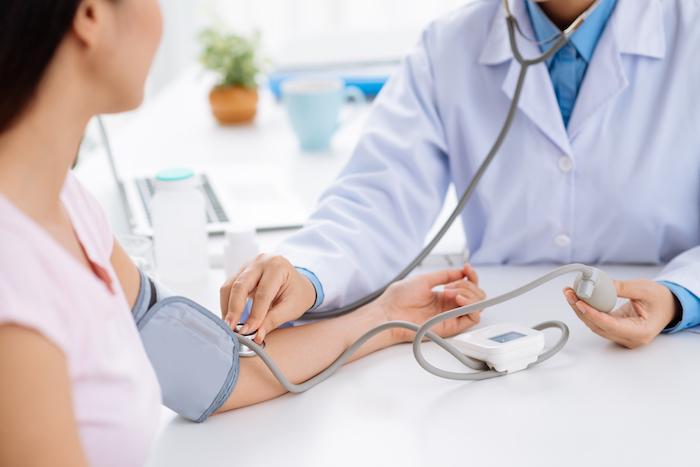
- Home monitoring with validated devices can help detect white-coat hypertension or masked hypertension.
Managing Diabetes and Hypertension
A Holistic Approach:
- Glycemic Control:
- Maintain an HbA1c of <7% (or individualized goals).
- Prevent high blood sugar spikes, which exacerbate vascular damage.
- Blood Pressure Management:
- Aim for <130/80 mmHg in most individuals with diabetes and hypertension.
- Lifestyle Modifications:
- Diet: Follow a DASH (Dietary Approaches to Stop Hypertension) or Mediterranean diet. Reduce salt intake to less than 5 grams daily.
- Physical Activity: Engage in at least 150 minutes of moderate-intensity aerobic exercise weekly.
- Weight Management: Achieve and maintain a healthy BMI.
- Stress Reduction: Practice mindfulness, yoga, or other relaxation techniques.
- Medications:
- Antihypertensives: ACE inhibitors or ARBs are first-line choices for blood pressure control in diabetes because they also protect the kidneys. Calcium channel blockers and diuretics may be added if necessary.
- Glucose-Lowering Drugs: SGLT2 inhibitors and GLP-1 receptor agonists offer dual benefits for glycemic control and cardiovascular protection.
- Statins: To manage cholesterol levels, further reducing cardiovascular risk.
- Smoking Cessation:
- Smoking worsens vascular damage and should be stopped immediately.
Prevention: Start Early
The best approach to managing diabetes and hypertension is to prevent them in the first place.
- Adopt a balanced diet and active lifestyle.
- Monitor blood pressure and glucose levels regularly, especially if you have a family history of either condition.
- Address modifiable risk factors such as obesity and stress.
The Role of Patient Education
Empowering individuals with knowledge about diabetes and hypertension is crucial for long-term management. Our center runs regular awareness programs, and routine follow-ups help patients make informed decisions and stay compliant with treatment.
Conclusion
Diabetes and hypertension may be a dangerous duo, but they are not unbeatable. With the right strategies, individuals can manage both conditions effectively, reduce complications, and lead healthier lives. Early detection, lifestyle changes, and appropriate medical care are the keys to breaking the cycle of this double threat.
When in doubt, reach out to us.