
Pranayama and Diabetes: Harnessing Breath for Better Health
Managing diabetes involves a multifaceted approach that includes medication, diet, exercise, and stress management. In recent years, pranayama, an ancient yogic practice of breath regulation, has gained recognition as a powerful complementary therapy for diabetes management.
Pranayama is more than just breathing exercises—it is a science of controlling the flow of life energy (prana) in the body through specific techniques. For individuals with diabetes, it offers physical, mental, and emotional benefits that can improve overall well-being.
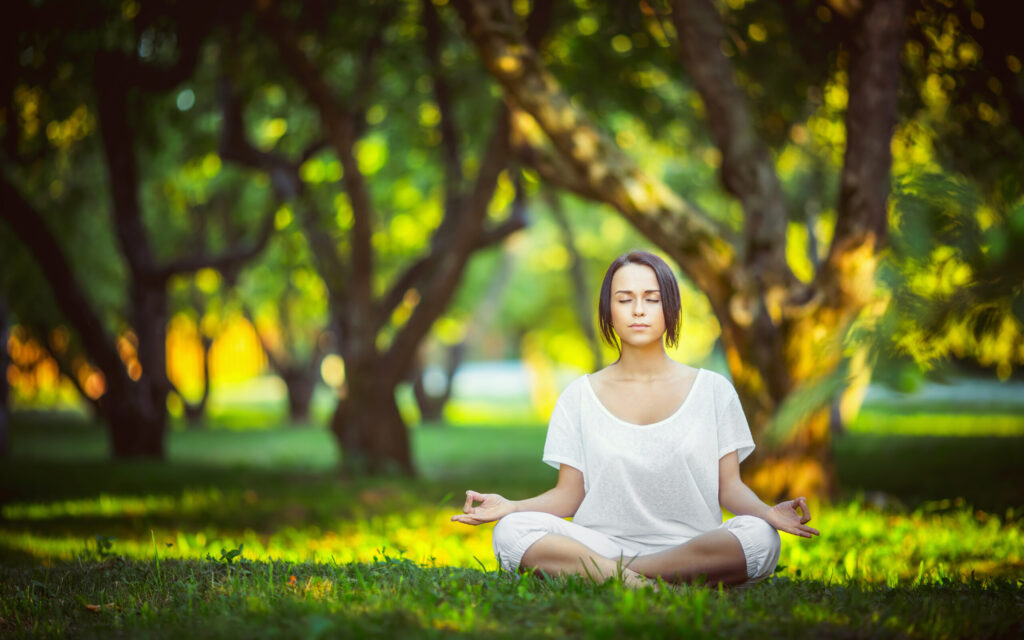
The Connection Between Pranayama and Diabetes
Diabetes is not only a metabolic condition but also closely linked to stress, inflammation, and lifestyle factors. Pranayama helps manage these underlying contributors:
1. Stress Reduction
Stress triggers the release of hormones like cortisol, which can lead to elevated blood sugar levels. Pranayama techniques activate the parasympathetic nervous system, inducing relaxation and reducing stress hormones.
2. Improved Insulin Sensitivity
Pranayama enhances oxygen delivery to tissues, optimizing cellular function and potentially improving insulin sensitivity.
3. Better Circulation
Regulated breathing improves blood flow, benefiting tissues prone to damage in diabetes, such as the nerves, kidneys, and eyes.
4. Weight Management
By reducing stress-related overeating and promoting mindfulness, pranayama supports healthy weight management—a crucial factor in diabetes control.
Effective Pranayama Techniques for Diabetes
1. Nadi Shodhana (Alternate Nostril Breathing)
- Benefits: Balances the nervous system, reduces stress, and stabilizes blood sugar.
- How to Practice:
- Sit comfortably with your spine straight.
- Close your right nostril with your thumb and inhale through the left nostril.
- Close the left nostril with your ring finger and exhale through the right nostril.
- Repeat the cycle for 5–10 minutes.
2. Kapalabhati (Skull-Shining Breath)
- Benefits: Stimulates metabolism and improves pancreatic function.
- How to Practice:
- Sit upright and take a deep breath in.
- Exhale forcefully through the nose, contracting your abdominal muscles.
- Allow passive inhalation and repeat for 20–30 cycles.
- Rest for a few moments and repeat if comfortable.
- Caution: Avoid if you have high blood pressure or any cardiac issues.
3. Anulom Vilom (Alternate Nostril Inhalation)
- Benefits: Calms the mind, reduces oxidative stress, and aids glucose control.
- How to Practice: Similar to Nadi Shodhana but involves slower and deeper breaths.
4. Bhramari (Bee Breathing)
- Benefits: Relieves anxiety, promotes relaxation, and improves focus.
- How to Practice:
- Sit comfortably and close your eyes.
- Take a deep breath in.
- As you exhale, make a humming sound like a bee.
- Repeat for 5–10 minutes.
5. Deep Diaphragmatic Breathing
- Benefits: Enhances oxygenation and lowers stress hormones.
- How to Practice:
- Lie on your back or sit in a comfortable position.
- Place one hand on your chest and the other on your abdomen.
- Inhale deeply through your nose, ensuring your abdomen rises.
- Exhale slowly through your mouth.
- Practice for 10 minutes daily.
Scientific Evidence Supporting Pranayama in Diabetes
- Improved Glycemic Control: Studies have shown that regular practice of pranayama can lower fasting blood glucose levels and HbA1c.
- Reduced Stress and Anxiety: Yoga-based breathing interventions significantly reduce stress, which indirectly supports blood sugar regulation.
- Enhanced Autonomic Function: Pranayama improves the balance between the sympathetic and parasympathetic nervous systems, which is often disrupted in diabetes.
Integrating Pranayama into Your Diabetes Management Plan
1. Consistency is Key
Set aside 15–20 minutes daily for pranayama practice, ideally in the morning or evening.
2. Combine with Yoga Asanas
Incorporate gentle yoga poses like Vajrasana, Paschimottanasana, and Shavasana for holistic benefits.
3. Seek Guidance
Begin under the supervision of a trained yoga instructor to ensure proper technique and avoid strain.
4. Monitor Your Progress
Track your blood sugar levels and overall well-being as you incorporate pranayama into your routine.
A Holistic Approach
While pranayama is a powerful tool, it should complement—not replace—medical treatment, a healthy diet, regular exercise, and medication. Adopting a holistic approach to diabetes management can lead to better outcomes and improved quality of life.
Conclusion
Pranayama offers a natural, accessible, and side-effect-free way to support diabetes management. By reducing stress, improving metabolic function, and promoting mindfulness, it empowers individuals to take an active role in their health journey. Whether you’re newly diagnosed or managing long-term diabetes, pranayama can be a transformative addition to your wellness routine.
Start today—one breath at a time—and discover the profound impact of pranayama on your physical and mental health.